
B2B vs B2C Website Design: Key Differences, Benefits & Best Practices in 2026
B2B vs B2C Website Design: Key Differences, Benefits & Best Practices in 2026
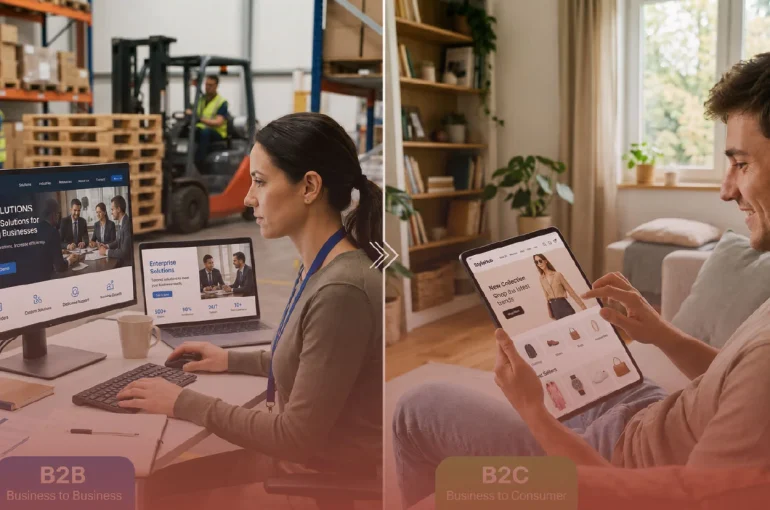
For any brand or business, a website creates a strong digital presence. It is a powerful marketing tool that influences buying decisions, builds trust, and forwards business growth.
Good website design depends on whether its target audience is businesses or individual customers. The approach and strategy of the website design also depend on this analysis of whether the website is B2B or B2C.
The difference between B2B and B2C website design lies in the following points: user behaviour, purchase decisions, content strategy, navigation, and conversion goals.
All B2B websites are focused on credibility, detailed information, and long-term relationships; B2C websites focus on engagement, convenience, and fast buying decisions.
In 2026, successful websites are a balanced blend of strategic design, personalised experiences, and the latest technology to create mindful user experiences and journeys.
What is the Main Difference Between B2B and B2C Website Design
The major difference between B2B and B2C website design is in how customers go through the buying journey.
Generally, B2B buyers go through a longer decision-making process. They make comparisons of available solutions. They check the company’s expertise, review case studies, and often go through various layers before making the final purchase.
That is why B2B websites need a professional design and detailed product information. Their trust factor must be strong, and the lead generation process must be clear and user-friendly.
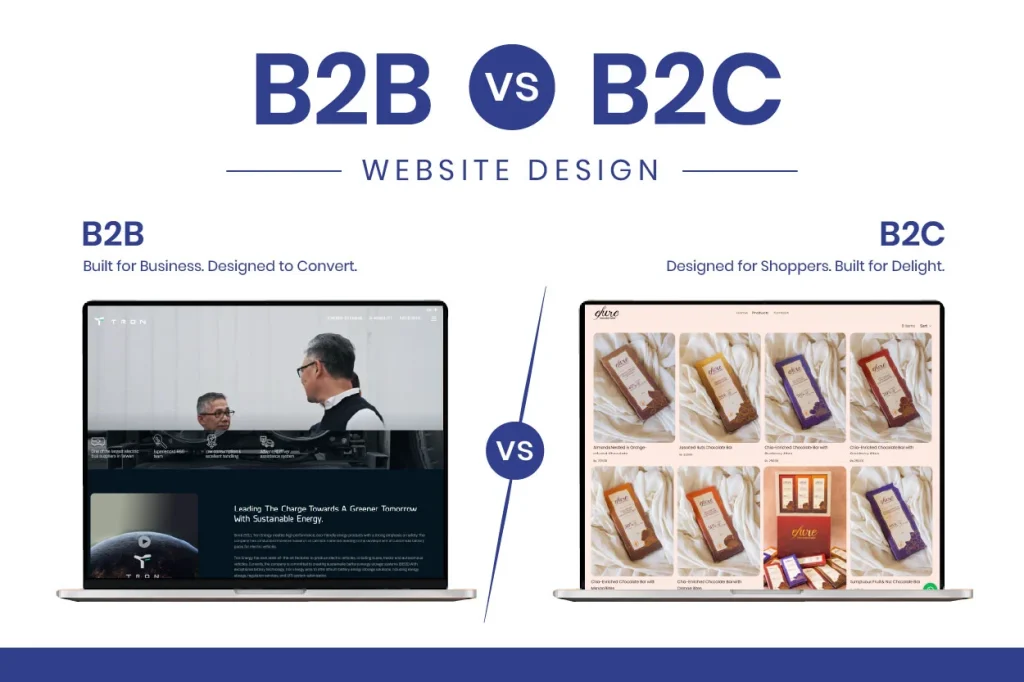
On the other hand, the decisions of the customers of the B2C process are based on emotions, convenience, cost, and brand appeal. So, the B2C websites have catchy visuals and are easy to navigate. They place customer reviews, benefits and offers. The process of buying is also very easy and smooth. A successful website design fulfils the expectations of its audience.
Feature | B2B Website | B2C Website |
Audience | Businesses | Consumers |
Buying Decision | Rational | Emotional |
Sales Cycle | Long | Short |
CTA | Book Demo | Buy Now |
Content | Detailed | Simple |
Trust Signals | Case Studies | Reviews |
Pricing | Quote Request | Direct Price |
Goal | Lead Generation | Instant Sales |
Why Should Businesses Require a B2B Web Design Company for Growth?
A professional B2B web design company is aware of the importance of a well-planned layout and a strategically designed structure for a business website. They know that the website should lead visitors from awareness to enquiry.
A well-crafted B2B website includes the following:
- Easy-to-understand service explanations
- Solutions specific to diverse industries
- Content that builds trust
- Case studies and testimonials
- Lead generation forms
- Strong calls to action
The objective is to create a strong digital experience that builds authority and converts excellent prospects for future business.
How Does B2C E-commerce Website Design Enhance Customer Experience?
B2C e-commerce website design creates quick, simple, and enjoyable shopping experiences. Since customers often make decisions within minutes, every design element matters.
The features of effective B2C e-commerce websites are:
- The products are easy to find
- The shopping process is mobile-friendly
- Checkout processes are secure
- Personal recommendations are highly beneficial
- Customer reviews and ratings are visible
From product pages to payment screens, the interactions on a B2C e-commerce website should convert prospective customers in a hassle-free manner.
Conversion-Focused Website Design has a Great Advantage
The website should have a sleek look as well as the capacity to achieve business goals. Conversion-focused website design is a balanced mix of design, content, and user behaviour insights that enables visitors to act.
This approach ensures that the website has clear navigation paths and sharp communication. The call to action is placed strategically to enable a fast decision. The pages are loaded fast, and there are lots of trust-building elements.
Why Is User Experience Design 2026 Transforming the Website Design?
User experience design 2026 is creating increasingly smarter, personalised, and user-first digital experiences. The latest UX technology is keen to deliver AI-powered personalisation, quick interactions, navigation-friendly design, easy accessibility, and experiences based on behaviour patterns.
Users expect that websites should understand their requirements and offer information instantly. UX helps the website to achieve this.
Why is Responsive Website Design Pivotal for Modern Businesses?
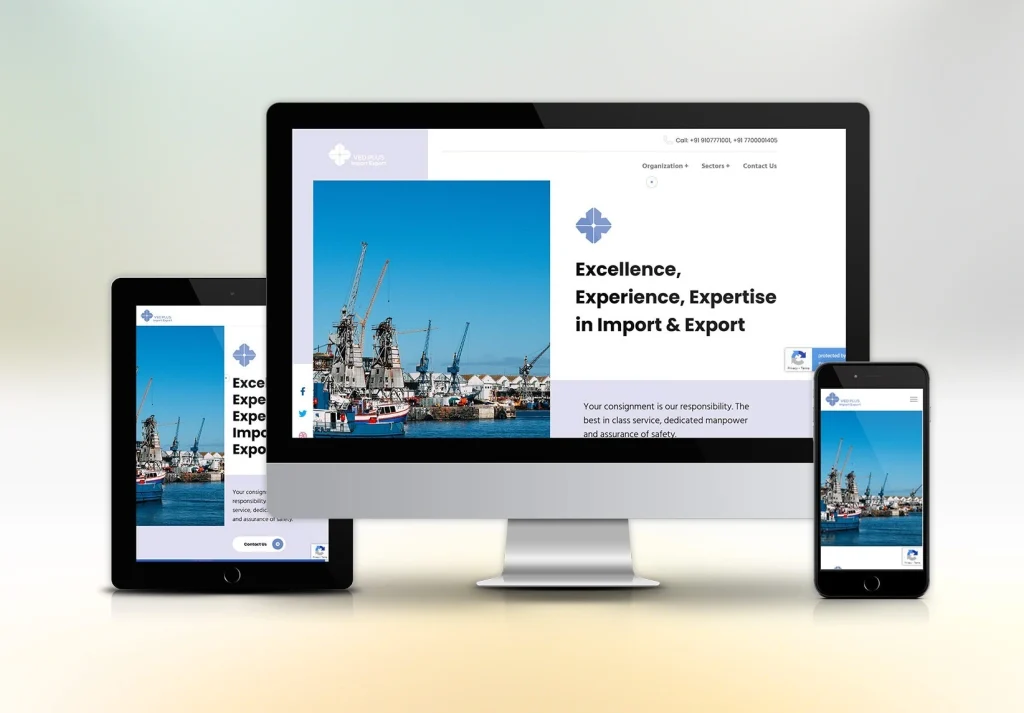
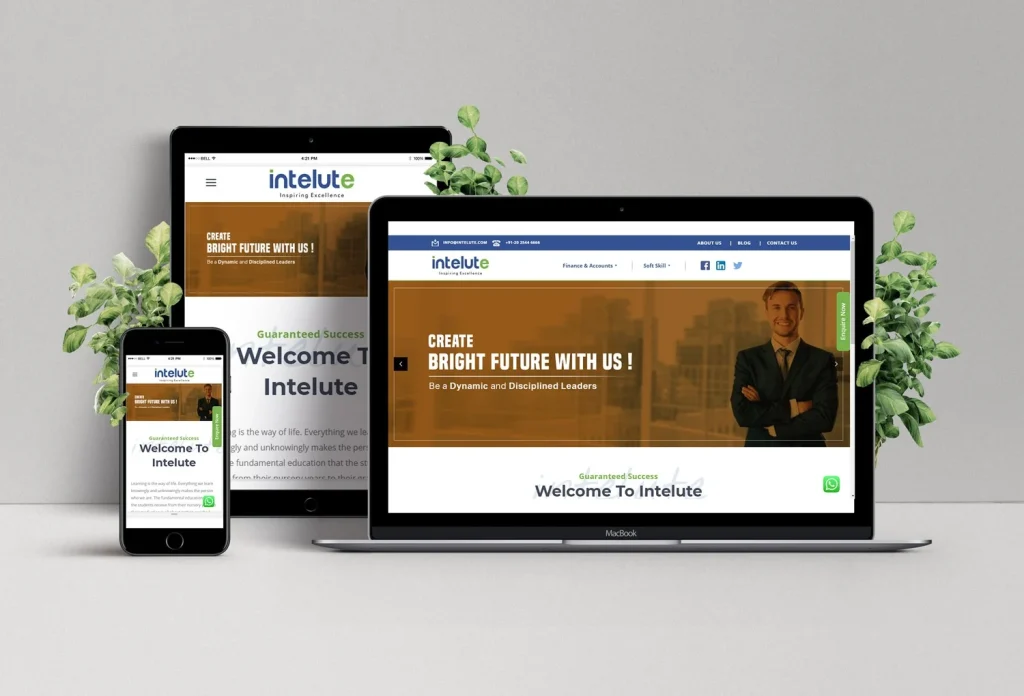
In 2026, mobile-first experiences are a basic expectation. Now users access websites from smartphones, tablets, laptops, and multiple devices, and that is the reason why responsive website design has become essential.
This type of website automatically adjusts layouts, images, and content based on screen size. It improves user experience, general website performance, visibility of the search and engagement of the customer.
Website UI/UX Trends are Adding Value to Digital Experiences
Modern website UI UX trends are about creating intuitive, interactive, and human-centric websites. Clean and minimal websites are the in thing. AI-driven experiences include micro-interactions. Voice-friendly interfaces are trending. The latest UI is about being creative as well as practical.
How Does Business Website Development Empower Long-Term Growth?
Business website development involves creating scalable, secure and objective-focused websites. A business website blends strategic planning, technology, user-friendly design and performance optimisation.
Looking for a website that delivers real business results?
Whether you need a lead-generating B2B website or a high-converting eCommerce store, WDSOFT creates responsive, SEO-friendly, and user-focused websites tailored to your business goals.
FAQ
Both are good in their own way, depending on your target and business objectives. B2B generates leads, while B2C results in purchases.
Users browse largely on mobile, creating opportunities for lead generation.
AI personalisation, minimalistic interfaces, accessibility, micro-interactions, and faster user journeys are the latest trends in UX.
For e-commerce, B2C website design is ideal because the online store gives easy browsing, product discovery, and fast checkout.
Tags:

